

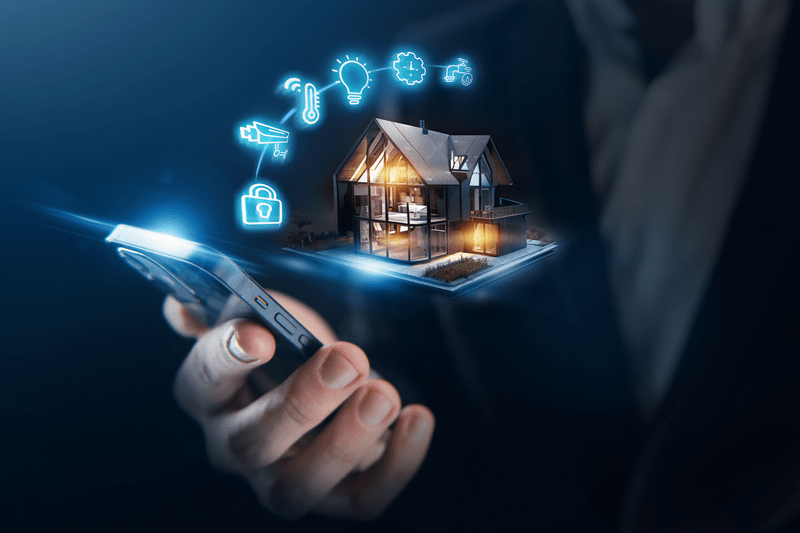
Smart home devices are no longer rare gadgets for tech fans only. They now seamlessly integrate into daily life with minimal effort. Lights turn on by voice, doors lock automatically, and homes feel more aware. Home automation helps connect simple actions into one smooth flow that saves time and worry.
Smart Home Devices also rely on wireless connectivity, which removes messy wires and allows easy setup. With voice control and energy efficiency working together, homes become easier to manage and more cost-effective to operate. That simple mix explains the fast growth of smart living.
Smart home devices are tools that respond to commands, schedules, or sensors. They react based on needs rather than requiring constant manual action. Home automation enables devices to work together, rather than independently.
Many of these devices allow users to connect to them wirelessly, enabling control via a smartphone or speaker. The convenience of voice control is especially beneficial for younger and older users. Energy efficiency means less waste of resources, and it's done automatically.
Home automation refers to devices that communicate and act together. Lights can turn off when doors lock, and the heating system adjusts when rooms are empty. This connection saves energy and time quietly.
Common home automation examples include:
Smart home devices feel smarter when automation runs in the background.
With voice control, there is no need for switches or apps to control your smart home devices. By giving verbal commands, you can control many devices at once. This is especially beneficial for individuals who may experience difficulty making a switch due to their physical condition, such as having limited mobility, or who have their hands occupied with other activities.
Commonly used for:
Voice control is an efficient way to create a friendly home environment rather than a complicated one.
Wireless connectivity enables smart home devices to connect without the need for cables. This reduces installation stress and keeps homes tidy. Devices talk using secure wireless signals across rooms.
Benefits of wireless connectivity include:
A stable wireless network is crucial for seamless home automation.
Energy efficiency is one of the strongest reasons people choose smart home devices. These tools reduce waste by reacting only when needed. Lights shut off automatically, and heating runs smarter.
Energy efficiency improvements often come from:
Over time, small savings grow into noticeable benefits.
Bright lighting is often the first step into smart home devices. Lights respond to schedules, motion, or voice control. This enhances comfort and safety without requiring any effort.
Lighting benefits include:
Simple lighting changes often show immediate value.
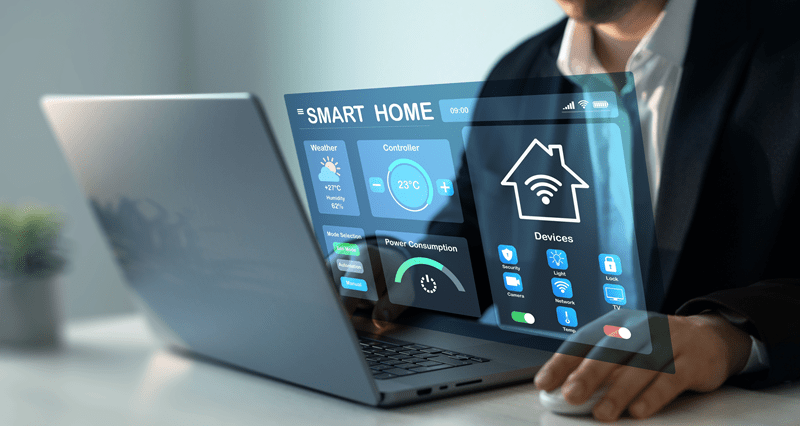
Smart home security systems are designed to provide homeowners with a level of security by using technologies such as cameras, automated doors, and motion detectors to monitor their homes. Whenever a security breach occurs at a home, these security systems send a real-time alert to the homeowner's mobile device (e.g., via SMS text message or email).
The primary components that make up smart home security systems include:
With these devices, there is an increased level of protection for any individual, while eliminating the need for constant supervision to maintain that protection.
Smart appliances handle tasks with less supervision. Washing machines, ovens, and coffee makers now connect through home automation systems.
Useful features include:
Daily routines feel lighter with smart help.
Not all smart home devices are suitable for every home. Choosing wisely avoids frustration. Start small and expand slowly.
Important selection factors include:
Matching needs with features keeps systems efficient and straightforward.
Privacy matters with connected homes. Smart home devices collect data to function well. Strong passwords and updates reduce risk.
Helpful safety steps include:
Clever use protects both comfort and personal data.
Connecting smart home devices doesn't usually take as long as anticipated, thanks to detailed documentation and wireless network access.
To maintain your smart home devices, follow these guidelines:
By following these simple steps, your smart home device systems will continue functioning reliably.
Families benefit from smart home devices in many ways. Parents manage lights and locks easily. Kids learn simple voice control commands safely and securely.
Energy efficiency helps reduce bills for growing households. Home automation also enhances routines, such as adjusting bedtime lighting and setting morning alarms.
Smart home devices support people with mobility challenges. Voice control removes physical barriers. Wireless connectivity allows remote help from caregivers.
These features create independence and safety without complex tools.
Initial costs may seem high, but smart home devices often pay back over time. Energy efficiency lowers bills steadily. Automation reduces wear on systems.
Buying devices slowly spreads costs and allows learning without pressure.
Some people believe that smart home devices are challenging to use. Most systems are designed for a simple setup. Others worry about reliability, but stable wireless connectivity reduces issues.
Another myth says automation removes control. In reality, it adds flexible options.
Smart home devices continue to improve incrementally. Better energy efficiency, smoother voice control, and stronger wireless connectivity are expected.
Homes will feel more responsive without becoming complicated.
Smart homes provide comfort, security, and control for everyday life. Home automation, voice control, energy efficiency, and wireless communication combine to take some of the burden off of managing your home. Starting small and making educated choices will result in a bright and airy environment that is more conducive to helping you live rather than bogging you down.
Security is a valid concern. Stick to reputable brands, always change default passwords, enable two-factor authentication where available, and keep your device firmware up to date. A secure home Wi-Fi network is your first and best defense.
Not all. Many devices connect directly to Wi-Fi. Others, especially those using protocols like Zigbee or Z-Wave, require a central hub to communicate. Always check the product requirements before making a purchase.
Savings vary by home and usage, but significant reductions are common. Smart thermostats often show the clearest savings, but the combined effect of efficient lighting, smart plugs, and better awareness of usage can noticeably lower utility bills over time.
Most modern devices are designed for DIY installation. If you can plug in a lamp or screw in a lightbulb, you can handle many starter devices. Always follow the manufacturer’s instructions and turn off the power at the breaker when dealing with wired fixtures, such as light switches.
This content was created by AI