


In the current digital technology environment, learning to make mindful purchases is crucial in combating impulsive buying. Online shopping is intentionally designed to evoke emotional responses rather than logical thinking. As consumers become more accustomed to making instant purchases through online shopping, it becomes increasingly important for shoppers to learn how to manage their budgets effectively and develop healthy online spending habits to become financially disciplined over time.
To successfully avoid impulsive purchases, consumers must do more than rely on willpower alone; they must practice mindful shopping, intentionally develop purchasing plans, and implement protection systems designed to minimize the incidence of temptation before it occurs. This publication provides practical advice and helpful strategies to allow consumers to shop wisely without feeling deprived.
Understanding the reasons behind impulse purchases when shopping online is the most effective way to combat this challenge. E-commerce shops are established with harmful shopping behaviors in mind.
The way e-retailers set up their e-commerce platforms to control people's perception of "scarcity," "timers," and "personalized ads" can also influence online spending behaviors. When you see the words "Only two left" or "Sale ends in 10 mins", your brain is under an impression of urgency to buy, even though there usually isn't urgency. And when an emotion is more potent than logic, it encourages impulse purchases.
Impulse buying can flourish when:
The best way to avoid impulsive purchases is to practice mindful shopping. Mindful shopping is a deliberate approach to shopping that focuses on intention rather than impulse.
Mindful shopping can be defined as taking a moment before you make a purchase and asking yourself the following questions:
If you can slow down your shopping habits and take control of how much you spend online, strengthening your financial discipline through mindful shopping, then it will turn your spending into a thoughtful decision rather than a sudden reaction.
To prevent yourself from acting rashly, you must create a plan before making any purchases. By creating a plan before making a purchase, you can avoid being influenced by your emotions. Instead, all of your purchases will be based on logical reasoning.
Having a shopping list allows for a structured way to shop. Your shopping list will help keep you from being influenced by advertisements or other opinions about what you should buy. When you plan to purchase something, each item has a purpose and is predetermined through planning.
The benefits of creating a purchasing plan include:
When you have a planned purchase, you are less likely to make an impulsive or irrational purchase.
Having firm control over your budget is one of the best ways to manage your impulse purchases. By keeping track of where your money goes, it is much easier to resist the temptation of buying things on impulse.
By defining your spending categories, you can allocate funds for:
This will not only help you develop good financial habits but also change how you manage your online spending. Budgeting provides a sense of freedom rather than limiting your freedom.
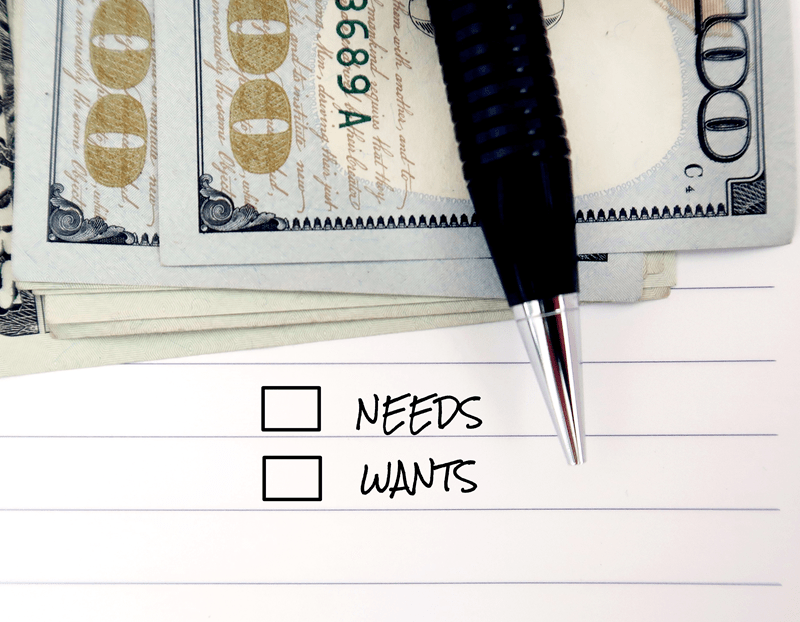
The way you spend money online is an extension of how you think about money. While buying small amounts of things every day or every week may not make sense because it's an impulse buy, the cumulative effect can be significant. Keep Track of What You Buy, then Review it.
By keeping track of what you purchase, you can:
By reviewing what you spent week after week, you are developing more awareness. I want you to know that awareness of your spending is essential.
One of the simplest and most effective strategies for preventing impulse purchases is to postpone the urge for immediate satisfaction. Specifically, if you're considering buying something that isn't an absolute necessity, give yourself a 24-hour break before making the purchase.
The reason behind this delay isn't just to take time for yourself; it will provide you with the necessary thinking time that allows you to use reason instead of emotion when making these kinds of decisions and to help you maintain control over your finances.
Most of the time, if you can stop and think about what you're going to buy, the desire to buy will go away. Additionally, if you delay your purchases, you'll also develop better habits when it comes to spending online, and you will create a habit of conscious decision-making with your shopping choices.
Yes! The more convenient shopping becomes, the more opportunities for impulse buying develop. As a means to build your strategy regarding how to discourage impulse buying on your site, why not make it challenging to complete a transaction? Here’s how to add friction to your shopping cart/checkout:
1. Eliminating saved payment methods forces customers to consciously decide where they will get their credit card information from.
2. Making sure customers plan and budget for purchases encourages shopping planning.
3. Making sure the process of checking out takes time & effort will discourage impulse purchases from being made on your site.
Stress, boredom, and excitement are some of the emotional reasons why consumers make unplanned or spontaneous purchases (also known as impulse purchases) (see below).
Identify emotional spending triggers - this will allow you to be more mindful of your spending habits and understand what type of purchases fill the emotional void when you are at your most vulnerable time.
Below are some examples of emotional spending triggers and how to identify them when shopping:
Recognising when you are feeling something allows you to practice mindful shopping and remain disciplined financially, even.
Consistency is the key to being financially disciplined; goal setting can improve your budget management, assist in preparing for purchases, and help you become more thoughtful about your spending because when every dollar has a purpose, impulse purchases are less likely.
Impulse buying should not be associated with feelings of deprivation. Rather, impulse buying is about having purpose-based spending that is not over-restrictive, and freely enjoying what you buy. It also allows you to make purchases that are in sync with your values, goals, and budget, helping to alleviate any guilt associated with your purchases, thus enhancing your overall shopping experience. Developing good online shopping habits gives you the tools to discipline your finances and control how your money works for your benefit rather than to your detriment.
It is possible to protect yourself from impulse buying through mindful shopping, intentional purchasing, consistent budget control, and financial discipline. Building these habits will protect your financial resources while also allowing for future wealth.
With the right approach, you can take full control of your online shopping and be a wise shopper by spending intentionally and creating a strong foundation for financial success.
The simplest method to prevent impulse purchases is by consistently practicing awareness through mindful shopping, creating a delay of at least 24 hours on each purchase decision, and maintaining a strict budgeting system that encourages you to build long-term financial discipline.
By becoming more aware of yourself and your emotions when shopping, you will decrease emotional spending, enhance your overall online spending behaviour, and increase your financial discipline through intentional decision-making.
Yes. By planning for your purchases, you will eliminate emotional purchasing and increase your ability to create and stick to your budget.
Your budget serves as your guide, creating a framework for all your financial decisions; therefore, it helps you limit unnecessary spending. Furthermore, your budget supports your overall mindful shopping habits and creates a solid foundation for building long-term financial discipline in alignment with your personal goals.
By consistently practicing mindful shopping, creating purchase plans, and adhering to a strict budgeting process, you can expect to see significant improvement in your overall online spending within 30-60 days of implementing these habits.
This content was created by AI