

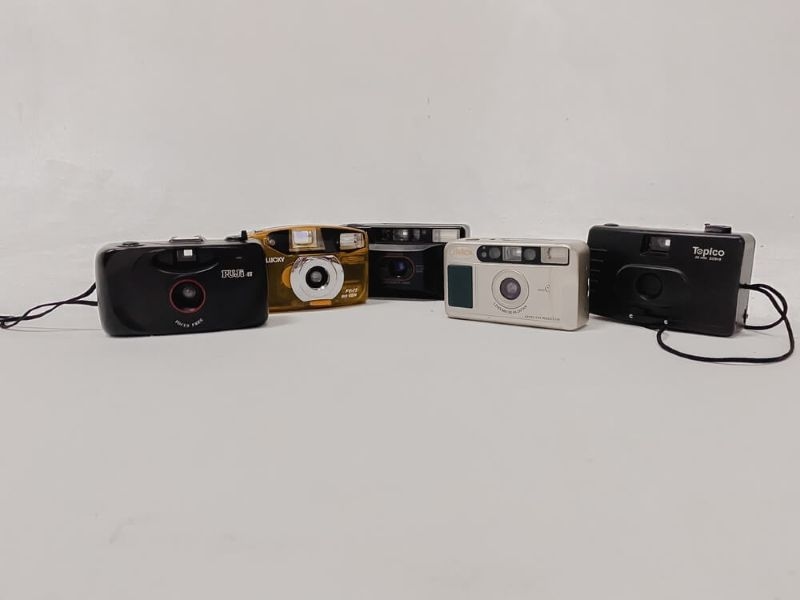
A beginner camera is a simple and effective way for people to learn photography. You can learn the different systems of a camera and learn to get better photos. These cameras are extremely effective for a beginner to create a strong foundation for photography.
This blog will explain you how to choose a beginner camera and understand entry level camera basics. It will also help you in understanding the difference between mirrorless vs DSLR properly.
You can refer to a beginner camera as a perfect option for people to learn the basics of photography. It will help you to avoid the complex settings and build a proper foundation. In simple words, this allows beginners to learn how to use a camera comfortably.
Many people think good photos require advanced equipment. In reality, learning photography is about understanding light and timing. A beginner camera helps users focus on these basics without distractions.
Another important point is the learning pace. A beginner camera allows users to learn slowly. It supports automatic modes at first and offers simple manual options later. This steady approach makes learning feel natural.
A beginner camera also encourages practice. When a camera feels easy to use, beginners are more likely to pick it up often. Regular use builds skill faster than any advanced feature ever could.
An entry level camera is built for ease and clarity. It usually includes guided modes that explain settings in simple language. This helps beginners understand what the camera is doing.
Comfort is another key part of entry-level camera basics. These cameras are usually light and balanced. This makes them easier to hold during long practice sessions.
Entry-level camera menus are often simple and direct. Beginners can find settings without searching through complex options. This saves time and reduces frustration.
Learning photography takes patience. Entry-level camera designs support this by keeping things simple. Beginners can focus on taking photos instead of worrying about controls.
Mirrorless vs DSLR is one of the most common questions beginners ask. Both camera types can produce clear and sharp images. The difference lies in how they feel and function.
Mirrorless cameras are usually lighter. Beginners often carry them more often. This leads to more practice.
DSLR cameras use optical viewfinders. Mirrorless cameras use digital displays. Both offer different learning experiences.
Mirrorless vs DSLR differs in feedback speed. Mirrorless cameras show changes instantly. This helps beginners understand settings faster.
A camera features guide helps beginners avoid confusion. Not all features are helpful at the start. Some features only add complexity.
Important features include easy focus, clear menus, and basic exposure control. These allow beginners to learn photography step by step. A good camera features guide highlights these points clearly.
Screen quality also matters. Beginners rely on screens to review photos. A clear screen helps users understand mistakes and improve faster.
Battery life is another part of the camera features guide. Longer battery life means more practice time. This supports steady learning without interruptions.
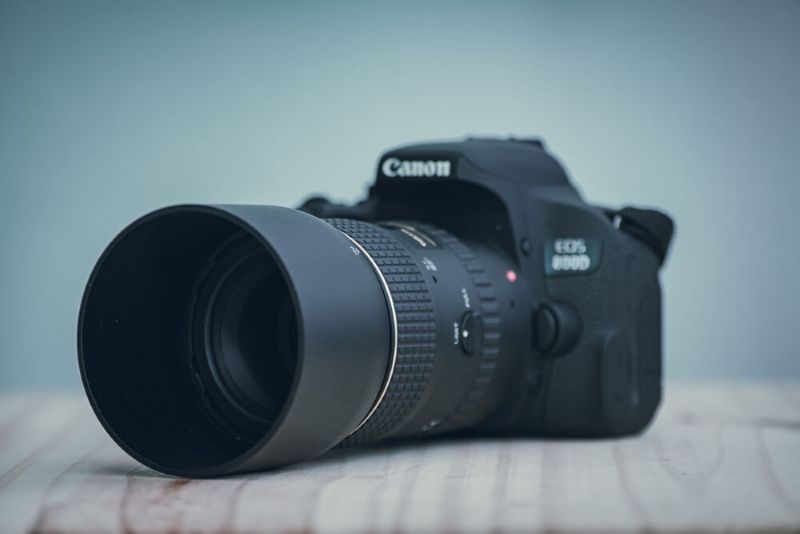
The best budget camera tips can help you focus on learning and not on the features. You can find them in the following list:
A photography starter kit includes basic items that support learning. Beginners do not need many accessories to start photography.
The core of a photography starter kit is a basic lens, a memory card, and a strap. These items allow users to begin shooting immediately.
Cleaning tools are another helpful part of a photography starter kit. Keeping the camera clean helps maintain image quality and prevents frustration.
A photography starter kit should stay simple. Too many accessories distract beginners from learning the basics.
Choosing a camera works best when done slowly. A step-by-step approach prevents regret later.
Some beginners want casual photos. Others want to learn photography skills. This clarity helps narrow choices.
The camera should feel natural in the hand. Comfortable cameras encourage more frequent use.
Simple menus help beginners learn faster. A clear navigation system can reduce your confusion.
A beginner's camera should allow gradual learning. This supports growth without pressure.
Check the list below to find out the major beginner camera factors that you must consider:
You should always look for a beginner camera that can guide you in using the camera clearly. It should have simple menus and helpful modes that can reduce your confusion.
It is essential for you to understand that comfort can impact how often you use a camera as a beginner. Therefore, you should look for a balanced and lightweight design to support longer practice sessions.
A beginner camera should allow users to grow slowly. Basic manual options help beginners learn without stress. This supports long-term improvement.
The following list includes a practical entry level camera buying checklist for beginners:
An entry-level camera should have clear menus and simple buttons. This helps beginners find settings quickly. Clear layouts reduce mistakes.
The best entry-level cameras have a clear screen that can help you, as a beginner, to review photos easily. It is essential for people to see that their work can learn from them quickly.
There are many entry-level camera models that offer guided modes. These features can help you take better photos. This helps beginners learn while shooting.
You can make the process of choosing a camera easy with the clear steps explained in this blog. A calm approach can help beginners to learn photography with minimal confusion. Therefore, understanding the basics and features is important for new users to learn photography with confidence.
It is perfect for beginners as they are easy to use and support your learning stage. These cameras can help you learn photography without stress.
An entry-level camera is perfect to support your learning process because of its simplicity and ease of use.
Both mirrorless vs DSLR options work well. Comfort and preference matter most.
This content was created by AI