


Frequent travel often means constant background noise: airplane engines, airport announcements, crowded terminals, and busy streets. For frequent travelers, noise-canceling headphones are not an accessory but rather a practical necessity. A good pair can get you through long flights, enable you to focus during layovers, or provide you with entertainment without distraction.
However, not all of them are designed with travelers in mind. Comfort, durability, the performance of a battery, and smart features play a great role in how useful they are on the road. This buying guide explains what to look for in noise-canceling headphones so you can choose a pair that truly fits a frequent traveler's lifestyle.
The travel environment exposes you to steady, low-frequency sounds that can tire you out quickly. Airplane cabins, trains, and buses all create noise that makes it difficult for one to relax or concentrate. Noise-canceling headphones reduce this constant hum to create a more controlled, peaceful listening environment.
They also protect your hearing. It is not necessary to raise the volume high when background noises are avoided; this is important on long journeys. Frequent travelers will find these headphones a valuable investment because of comfort and hearing protection.
Comfort is essential when selecting a travel headphone, as you can wear the headphones for several hours continuously. Poorly designed headphones can cause ear fatigue, pressure, or discomfort before the journey is over.
A travel-friendly design should include:
Durability here is equally important. Headphones are stuffed into packages and unpacked many times, and go through many movements. This natural endures a lot of stress on the headphones, with strong hinges, quality materials, and a protective casing that can help your headphones last through repeated trips.
The most critical feature in noise-cancelling headphones is the work of active noise cancellation. This technology utilizes microphones that detect outside noise and create opposite sound waves against the noise waves to cancel out the noise. For travelers, this proves effective mainly against consistent sounds, such as engine noises or air circulation mechanisms.
High noise cancellation performance should work quite well on airplanes, trains, and busy terminals. Some models allow you to adjust the level of cancellation, something that can be helpful when you want to reduce noise without feeling completely isolated. Effective noise cancellation improves not just sound quality but also reduces listening fatigue for long journeys.
If you travel a lot, you know how tough it is to find a place to charge your headphones. On long flights or those marathon travel days, you need headphones that just keep going without dying halfway through your playlist.
Aim for headphones that last at least 20 or 30 hours with noise cancellation on. Some of the top-notch ones go even longer, which is perfect if you’re hopping between time zones.
Quick charging is a lifesaver too—the kind where you plug in for a few minutes and get hours of listening out of it. Solid battery life means your headphones stick with you from takeoff to landing and all the way through your trip.
These days, if you travel with headphones, you pretty much rely on wireless connections to keep things simple. Bluetooth has come a long way—sound is clearer, connections are steady, and you don’t have to deal with the old glitches.
When your headphones do wireless right, you get fewer annoying dropouts, pairing is quick, and you can wander farther from your device without losing your music. Multipoint makes a big difference, too. You can switch from your phone to your laptop in seconds, which is a lifesaver during work trips.
Active noise cancellation deals with cutting out noise using electronics. Sound isolation, on the other hand, is all about the headphones’ physical design—how well they actually block out the world just by the way they fit. If the ear cups fit snugly around your ears, less outside noise slips in, even when noise cancellation is turned off.
The travel headphones should present the vocals clearly, the mids balanced, and the bass controlled. Good Sound Isolation improves the overall listening experience and reduces the need to increase volume in a noisy environment. Sound isolation couples with noise cancellation to create an immersive environment for comfort during travel.
Travel doesn't always mean you need dead silence. Ambient Sound Mode lets outside noise in when you need it, keeping you aware of your surroundings.
This feature can also be very useful:
A good ambient mode should sound natural and be easy to activate. Fast switching between noise cancellation and Ambient Sound Mode adds convenience without interrupting your listening experience.
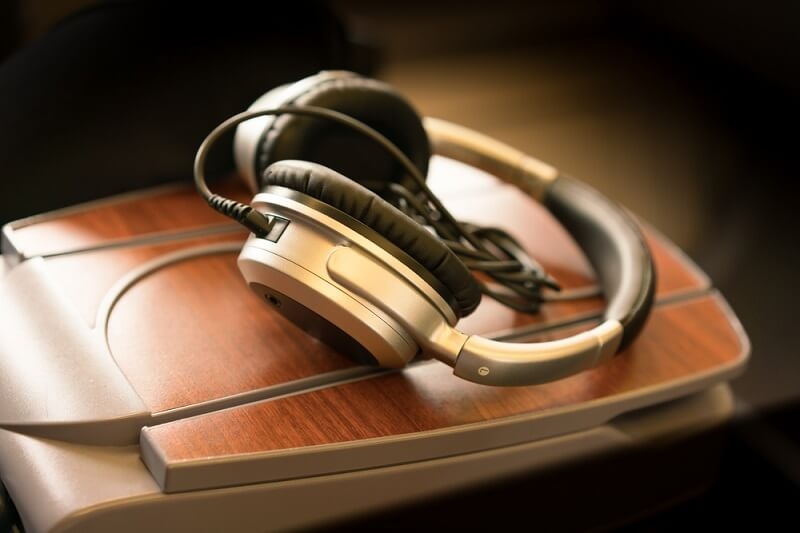
Many of the noise-cancelling headphones come with further features to make your travel easier. Touch controls or button controls allow for easy skipping, play, and volume change without you reaching out for your phone. They usually have built-in microphones that can capture clear voices for phone calls and even virtual meetings when traveling.
Some models further include voice assistants integrated into them for easy management, hands-free. Companion apps can offer sound profiles or noise cancellation levels to give you further flexibility in how your headphones perform in different travel situations.
Network security teams and analysts will take the alerts provided by a well-tuned NIDS and carry out deep drilldowns via packet capture based on these alerting criteria.
Before purchasing, think about the way you travel most. Those long-haul international flights may require maximum comfort and extended Battery Life, whereas the frequent short trips might lean more towards portability and speedier charging. The review from fellow travelers will make sense of real-world performance.
If possible, try them on to ensure comfort and a good fit. Notice how they seal, the heaviness of the headphones, and the placement/intuitiveness of their controls. A thoughtful choice will ensure your noise-canceling headphones truly enhance your travel experience.
If you travel a lot, picking the right noise-canceling headphones really comes down to comfort, solid noise cancellation, good battery life, and dependable wireless. You want headphones that block out noise well, but also let you hear what’s going on around you when you need to.
The best ones blend all these features together, so your trips actually feel quieter and easier. With the right pair, even the most chaotic journeys start to feel peaceful—or at least a whole lot less stressful.
Battery life is a vital factor for those who travel very often. A long battery runtime guarantees discontinuous usage in flights, on layovers, or during long trips without having to recharge the device all the time.
Yes, most noise-canceling headphones are capable of isolating the external noise even when there is no audio playback, which makes them a good option for resting or sleeping during a trip.
Sound isolation is based on physical features aimed at blocking noise, while noise cancellation is an electronic technology used for reducing the sounds of the environment. Both methods can be used together for better results.
Yes, the Ambient Sound Mode is a great help to travelers to hear the announcements, talk to other people, and be aware of the surroundings in a crowded place without taking off the headphones.
This content was created by AI